Eurythmy therapy
'Touching spirit'
A conscious movement therapy
to engage the client as a living, emotional and spiritual entity
to gain awareness and tools for harmonizing and strengthening wellbeing.
Through movement exercises, inherent healing forces are activated, and so the
essential kernel of the individual is supported to address the imbalance in question.
This unique therapeutic method has at its core a holistic understanding of the body-soul-spirit relationship in the human being.
What is Eurythmy therapy and how does it work?
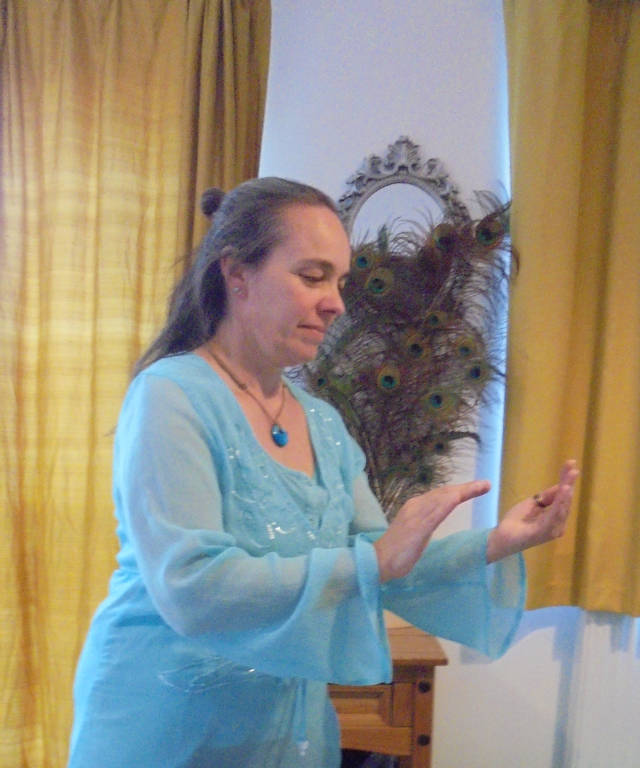
Eurythmy therapy is a movement therapy utilizing elements of language, music and form structures to foster physical, emotional, and spiritual wellbeing. It is rooted in Rudolf Steiner’s art of eurythmy and anthroposophical medicine. Anthroposophy is a holistic philosophy that explores the connection between the human spirit, nature, and the universe.
Practice of the therapeutic exercises will begin during the eurythmy therapy sessions together with the therapist, yet the full benefits can only really be achieved when the patient takes up regular practice in between sessions. Repetition is an important aspect for invoking the inherent healing qualities of the sound gestures addressed in the therapeutic exercises. By active formative structuring by the patient, the symptoms are not changed passively from the outside, rather the individual willingly and consciously participates in the change towards health. The approach is often experienced as self-empowering by children and adults alike. The change in how one ‘inhabits’ oneself may enable lifestyle changes hitherto not achieved.
When can Eurythmy therapy support or be beneficial for someone?
Eurythmy therapy can be supportive to a broad spectrum of medical and psychological conditions:
• Regulation of metabolic and nerve-sense processes, such as organ weaknesses or disorders
• Harmonization of cardiovascular and respiratory activity, such as breathing or speaking difficulties
• Improving body awareness, posture, mobility, spatial awareness
• Finding balance when there is a weakness in walking or standing
• Readiness to engage in learning through coordination and dexterity of gross and fine motor skills
• Strengthening and enhancing a sense of well-being and self-confidence
• Balancing a one-sidedness in constitution or inner attitude
• Support in depression, stress, anxiety • Support for sleep disorders, enuresis
• Migraines
• Menstrual pains
• Addiction
• Dental problems
• Paralysis
• Inflammatory or sclerosis illnesses
• Autoimmunity
• And many more
How are Eurythmy therapy sessions set up and what can be expected?
Usually, the therapeutic process consists of weekly sessions for at least 7 weeks. Occasionally patients, especially children, are seen more than once a week. A rest phase after this process is important for integration, to allow the healing process to settle. When necessary, other blocks of sessions can follow, yet always with a recommended rest phase of 3 weeks in between.
Referral or self-referral: A doctor or consultant may refer a patient. Self-referral is also possible. In both cases an initial consultation will be held from which the individual treatment plan will be developed in accordance with the diagnosis. Mobility: The therapeutic exercises may be modified to suit the individual needs and capacities. The movement can be done in standing, seating, lying or around the person if they are immobile.
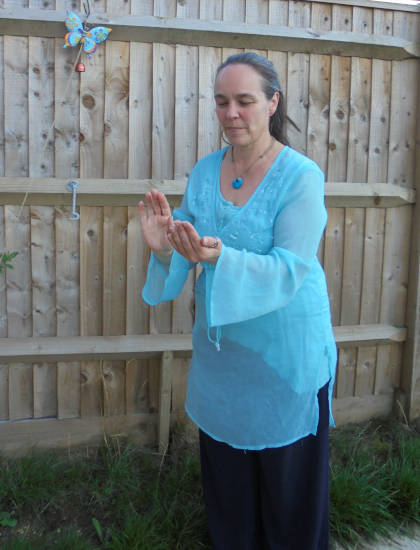
What to wear: Comfortable clothing that allows for free movement.
Intake conversation and movement assessment: £65
Adult session: £55
Child session: £35
For any questions you are very welcome to contact me for a free 20 min conversation beforehand.